
As businesses grow in the UAE, many founders start in a free zone for ease and lower setup costs. But as operations expand, limitations begin to appear. You may want to work directly with mainland clients without a distributor, bid for government contracts, open multiple branches across Emirates, or scale into regulated sectors.
At that stage, migrating from a free zone to the mainland becomes a strategic move.
This guide explains how to migrate a business from a UAE free zone to the mainland, the legal structure involved, the step by step process, costs, documents required, timelines, tax considerations, and common mistakes to avoid.
Free Zone vs Mainland: Understanding the Difference
Before discussing migration, it is important to understand how free zone and mainland companies differ.
Free zone companies are incorporated within specific economic zones such as the Dubai Multi Commodities Centre or IFZA. These zones offer 100 percent foreign ownership, simplified setup, and flexible visa options. However, they generally restrict direct trading with mainland UAE without a local distributor.
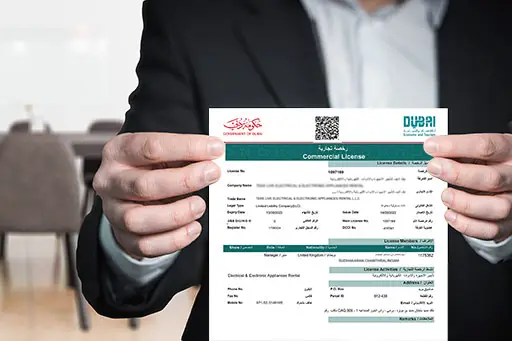
Mainland companies are licensed by the Department of Economy and Tourism in Dubai, officially known as the Dubai Department of Economy and Tourism. Mainland companies can trade freely across the UAE, take government projects, and open branches anywhere in the country.
In recent years, foreign ownership rules have changed, and most commercial activities now allow 100 percent foreign ownership even on the mainland.
Why Businesses Move from Free Zone to Mainland
There are several practical reasons why founders decide to migrate.
Direct access to mainland clients
Eligibility for government contracts
Ability to open retail shops in prime locations
Expansion into regulated sectors
Better perception for certain industries
Operational flexibility across Emirates
For example, a marketing agency in a free zone may struggle to sign large government contracts. A construction consultancy may need a mainland license to work on public infrastructure projects. A trading business may want to open a physical store in Dubai Mall or Abu Dhabi.
As scale increases, mainland licensing becomes more aligned with long term growth.

Is It Possible to Directly Transfer a Free Zone Company to Mainland
This is one of the most common questions.
In most cases, you cannot simply convert or transfer your existing free zone license into a mainland license. Legally, free zone authorities and mainland authorities operate under different jurisdictions.
Instead, what usually happens is one of the following:
You incorporate a new mainland company and close the free zone company
You incorporate a mainland entity and keep the free zone entity active
You restructure through branch formation, depending on activity
The exact route depends on your business model, contracts, liabilities, and tax planning strategy.
Step by Step Process to Migrate from Free Zone to Mainland
Step One: Evaluate Business Activity and Licensing Requirements
Start by reviewing your existing activity under the free zone license.
Then check whether the same activity is available under the mainland authority via the Dubai Department of Economy and Tourism or the relevant authority in another Emirate.
Some activities require external approvals from regulators. For example, healthcare, education, legal consultancy, engineering, and financial services often require special approvals.
This step determines your documentation, capital requirements, and potential approvals needed.
Step Two: Decide on Legal Structure
On the mainland, the most common structure is a Limited Liability Company.
In many sectors, foreign investors can own 100 percent of the shares. In strategic sectors, a local partner may still be required.
You will need to determine:
Shareholding structure
Manager appointment
Office location
Initial capital requirements
Legal structuring is critical because it affects tax exposure, visa allocation, and compliance obligations.
Step Three: Reserve Trade Name and Obtain Initial Approval
Once the activity and structure are finalized, you reserve your trade name with the mainland authority.
After that, you apply for initial approval. This confirms that the government has no objection to you starting the business under that activity.
If your current free zone name is important for brand continuity, you can often register the same name on the mainland if available.
Step Four: Secure Office Space
Mainland companies must have a physical office registered under Ejari in Dubai or the equivalent tenancy system in other Emirates.
Flexi desk solutions are usually not sufficient for most mainland activities.
Your office size may determine your visa quota.
This is a major cost difference compared to many free zones.
Step Five: Draft Memorandum of Association
The Memorandum of Association outlines ownership structure, share distribution, and management authority.
This document is notarized before license issuance.
Accuracy in drafting is essential to avoid disputes later.
Step Six: Obtain Final License
After submitting all required documents, approvals, tenancy contract, and notarized Memorandum, the mainland authority issues your trade license.
You now officially operate as a mainland entity.
Step Seven: Migrate Operations
Now comes the practical part.
Open a corporate bank account for the mainland company
Transfer contracts where legally possible
Notify clients and suppliers
Transfer employees and visas
Register for corporate tax
Close the free zone entity if required
You may need to coordinate with the Federal Tax Authority if you were already registered for VAT or corporate tax under your free zone entity.
What Happens to Existing Contracts
Contracts cannot automatically be transferred.
You typically need:
Contract novation agreements
Client consent
Reissued invoices under the new entity
If you are keeping both entities active, you must ensure revenue flows correctly and avoid compliance issues.
Legal review is highly recommended at this stage.

Tax Considerations During Migration
With the introduction of corporate tax in the UAE, restructuring must be handled carefully.
Free zone entities may qualify for certain corporate tax incentives if they meet qualifying income conditions. Mainland entities fall under standard corporate tax rules.
Before migrating, assess:
Corporate tax implications
VAT registration status
Transfer pricing rules
Substance requirements
Financial reporting obligations
Improper migration can trigger unexpected tax exposure.
Costs Involved
Costs vary depending on activity and Emirate, but generally include:
Trade name reservation
Initial approval fee
License issuance fee
Office rent
Ejari registration
Notarization fees
Immigration card
Visa costs
Professional service fees
Mainland licenses are often more expensive than entry level free zone packages, mainly due to office rent requirements.
Timeline
The mainland setup process typically takes one to four weeks depending on:
Activity approvals
Office availability
Document readiness
External regulator involvement
Closing a free zone company may take additional time due to clearance requirements.
How to Close the Free Zone Company
If you decide to shut down the free zone entity, the process usually includes:
Board resolution
Visa cancellation
Bank account closure
Audit report if required
Clearance certificates
License cancellation
Each free zone has its own internal process. For example, Dubai Multi Commodities Centre has a structured closure procedure requiring audit clearance.
Make sure there are no outstanding liabilities before cancellation.
Can You Keep Both Entities
Yes, many businesses operate both a free zone and a mainland entity.
This may be beneficial if:
You want to retain free zone tax incentives
You have international clients invoiced from free zone
You want a mainland branch for local contracts
However, maintaining two entities increases compliance and accounting complexity.
Proper structuring is essential to avoid confusion in revenue allocation.
Common Mistakes to Avoid
Starting the mainland process before understanding regulatory requirements
Failing to review corporate tax impact
Not securing proper office space
Ignoring visa transition planning
Overlooking contract transfer obligations
Underestimating total cost
Another common mistake is assuming mainland always equals better. It depends entirely on your business model.
When Should You Migrate
Migration makes sense when:
More than 50 percent of revenue comes from mainland clients
You want to bid for government projects
Your industry requires mainland licensing
Your growth strategy involves retail or physical outlets
Free zone restrictions limit expansion
If your business is fully online and international, free zone may still be sufficient.
Real World Example
A digital marketing agency starts in a free zone due to lower costs. Over time, it begins servicing large Dubai based developers and government linked entities. Procurement departments require a mainland license for vendor registration.
The agency sets up a mainland LLC, transfers local contracts, keeps the free zone entity for international clients, and structures revenue properly for corporate tax compliance.
This hybrid approach supports growth without losing operational flexibility.
Final Thoughts
Migrating from free zone to mainland in the UAE is not a simple license upgrade. It is a legal restructuring that affects taxation, contracts, visas, office requirements, and long term business positioning.
The decision should be strategic, not reactive.
Evaluate your revenue mix, growth plans, compliance obligations, and cost structure before making the move.
When done correctly, mainland expansion can unlock significant opportunities across the UAE market.
When done without planning, it can create unnecessary financial and regulatory complications.

How GenZone Can Help
At GenZone, they help founders structure their UAE businesses properly based on growth stage and long term tax strategy.
Whether you are starting in a free zone, expanding to mainland, or building a dual entity structure, they provide:
Clear cost breakdowns with no hidden fees
Activity matching and regulatory guidance
Mainland company incorporation support
Office sourcing coordination
Visa processing
Corporate tax registration guidance
Compliance planning during migration
Free zone closure assistance
If you are considering migrating from free zone to mainland, book a consultation with GenZone and let them map out the smartest structure for your next growth phase in the UAE.