
Introduction
Closing a business in Dubai is a structured legal process that must be handled carefully to avoid future penalties, fines, or legal complications. Many business owners assume that simply stopping operations or not renewing a license is enough. In reality, a company remains legally active until it is formally deregistered with the relevant authorities.
Whether a business is shutting down due to a strategic exit, change in plans, financial restructuring, or relocation to another country, following the correct closure procedure is essential. Dubai offers a clear and well regulated process for business closure, provided all steps are completed properly.
This guide explains how to close a business in Dubai in a clear and practical way. It covers mainland and free zone companies, timelines, costs, documents, common mistakes, and how to exit cleanly without future liabilities.
Understanding Business Closure in Dubai
Business closure in Dubai is officially referred to as company liquidation or license cancellation. The process ensures that the company has settled all outstanding obligations before it is removed from the government records.
A company cannot be considered closed unless its trade license is formally cancelled and all related registrations are cleared. This includes immigration, labor, tax authorities, banks, and utility providers.
Reasons Businesses Close in Dubai
There are several legitimate reasons why companies choose to close operations in Dubai.
Some businesses complete their project based objectives and no longer require a UAE presence. Others may restructure, merge, or move operations to another jurisdiction. Market conditions, funding challenges, or strategic pivots can also lead to closure.
Closing a company properly protects the owners from future legal or financial exposure.

Types of Business Closure
Business closure in Dubai generally falls into two categories.
Voluntary liquidation occurs when owners decide to close the company despite being solvent. This is the most common scenario.
Involuntary liquidation occurs due to legal action, insolvency, or court orders. This guide focuses primarily on voluntary closure.
Mainland vs Free Zone Business Closure
The closure process differs slightly depending on where the company is registered.
Mainland companies are regulated by the Department of Economy and Tourism along with other federal authorities.
Free zone companies must follow the procedures defined by the respective free zone authority.
While the core steps are similar, documentation requirements and timelines may vary.
Step One Passing a Shareholder Resolution
The first step in closing a business is passing a shareholder or owner resolution approving the closure.
For single owner companies, this is a straightforward declaration. For multi shareholder companies, a formal resolution signed by all partners is required.
In many cases, this resolution must be notarized.
Step Two Appointing a Liquidator
Most company closures require the appointment of a registered liquidator.
The liquidator is responsible for reviewing the company’s financials, settling liabilities, and issuing a liquidation report.
Some free zones offer simplified closure options for companies with no activity, while others still require a liquidator.
Step Three Clearing Immigration and Labor Records
All visas sponsored under the company must be cancelled before the license can be closed.
This includes:
• Employee visas • Investor or partner visas • Dependent visas sponsored through the company
Labor cards, work permits, and establishment cards must also be cancelled.
Step Four Settling Outstanding Liabilities
Before closure, the company must clear all financial obligations.
This includes:
• Employee salaries and end of service benefits • Supplier and vendor payments • Office rent and utility bills • Bank loans or credit facilities
Any unresolved liabilities can delay or block the closure process.

Step Five VAT and Corporate Tax Compliance
If the company is registered for VAT, it must deregister after filing final returns.
All VAT liabilities must be settled before deregistration is approved.
Companies registered under Corporate Tax must ensure proper compliance and deregistration where applicable.
Tax clearance is a critical part of the closure process.
Step Six Cancelling Office Lease and Utilities
Companies must cancel their physical office lease or flexi desk agreements.
Ejari or tenancy contracts must be closed.
Utilities such as electricity, water, internet, and telecom services should also be cancelled.
Clearance certificates may be required as part of the closure documentation.
Step Seven Bank Account Closure
Corporate bank accounts must be closed after all transactions are completed.
Banks may require a license cancellation or liquidation letter before approving closure.
It is important to coordinate bank closure timing with the overall liquidation process.
Step Eight Publishing Legal Notices
For mainland companies, a public notice of liquidation is often required.
This notice allows creditors to raise claims within a defined period.
The notice period typically lasts several weeks and must be completed before final license cancellation.
Step Nine Final License Cancellation
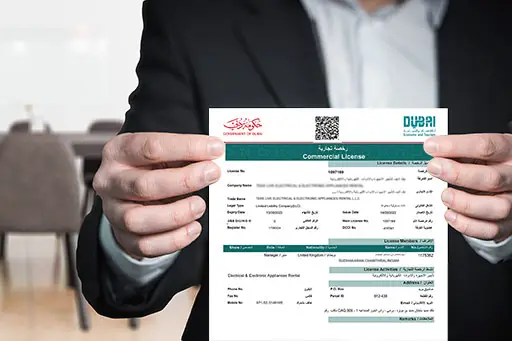
Once all clearances are obtained, the final step is trade license cancellation.
After cancellation, the company legally ceases to exist.
The authorities issue a confirmation that the business has been closed successfully.
Timeline for Closing a Business
The closure timeline depends on company type, activity, and compliance status.
Simplified closures may take a few weeks, while full liquidation processes may take several months.
Proper planning helps avoid unnecessary delays.

Costs Involved in Business Closure
Business closure involves certain costs.
These may include:
• Liquidator fees • Government cancellation fees • Visa cancellation charges • Office and utility settlement costs
Costs vary depending on company structure and complexity.
Common Mistakes to Avoid
Business owners often make avoidable mistakes during closure.
Common errors include:
• Stopping operations without cancelling the license • Ignoring visa and immigration obligations • Failing to deregister from tax authorities • Closing bank accounts too early • Not appointing a proper liquidator
Avoiding these mistakes prevents future legal issues.
Can Owners Leave the UAE During Closure
Owners can leave the UAE during the closure process in many cases.
However, visas must be handled carefully to avoid overstay penalties.
It is recommended to complete key steps before exiting the country.
Business Closure for Inactive Companies
Some companies never commence operations but still require formal closure.
Inactive companies are still liable for penalties if licenses are not cancelled.
Free zones may offer simplified closure procedures for such cases.
Impact of Closure on Future Business Plans
Closing a business properly does not negatively affect future business setup in the UAE.
Improper closure can result in blacklisting, fines, or visa issues.
A clean exit preserves credibility for future ventures.
When to Seek Professional Help
Professional assistance is recommended when:
• Multiple shareholders are involved • The company has employees • Tax registrations exist • Outstanding liabilities need settlement
Expert handling ensures compliance and reduces risk.

Conclusion
Closing a business in Dubai is a legal and procedural process that must be completed carefully.
By following the correct steps, settling obligations, and obtaining proper clearances, business owners can exit smoothly and without future complications.
Dubai’s regulatory system is designed to support both business entry and exit. Companies that close properly maintain their reputation and remain free to pursue new opportunities in the UAE or elsewhere.