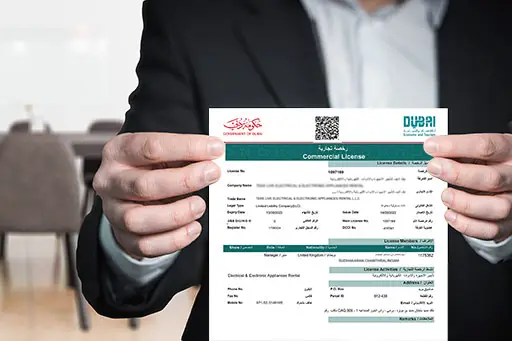

Many entrepreneurs and business owners in Canada are exploring options to reduce their tax liability, simplify regulations, and take advantage of business-friendly environments abroad. Dubai has emerged as one of the most attractive destinations for relocation and business setup due to its zero personal income tax, strategic location, and ease of doing business. This article provides a step-by-step guide on how to dissolve a company in Canada and relocate to Dubai as a tax resident.
Understanding the Need to Dissolve a Company
Dissolving a company is a significant decision that requires careful planning. There are several reasons why business owners in Canada may choose to close their operations before relocating:
- Tax Efficiency: Canadian corporate tax rates can be high, and ongoing compliance can be costly. Closing the company allows the owner to avoid continuing tax obligations.
- Simplifying Finances: Maintaining multiple accounts, licenses, and reporting structures across countries can be complex and time-consuming.
- Legal Compliance: A company must comply with Canadian corporate and tax laws even if the owner is relocating. Dissolving the business ensures that no future penalties or legal complications arise.
- Reinvestment Opportunities: Funds from the sale or closure of a Canadian business can be reinvested in Dubai, allowing the owner to benefit from a more favorable tax structure and a growing economy.
Step One: Review Company Obligations
Before starting the formal dissolution process, it is essential to assess all obligations of your company. This includes:
- Outstanding Taxes: Ensure that all corporate income taxes, GST/HST, and payroll taxes are paid. Canada Revenue Agency requires clearance certificates for voluntary dissolution.
- Debts and Liabilities: All outstanding debts, including loans, supplier payments, and employee salaries, must be settled.
- Contracts and Agreements: Review all contracts, leases, and agreements. Some may include termination clauses that require notice periods or penalties.
- Employee Obligations: If your company has employees, you must comply with labor laws regarding severance pay, notice periods, and final payroll settlements.
Consulting a professional accountant or lawyer at this stage is highly recommended to ensure compliance and avoid future legal issues.
Step Two: Decide the Type of Dissolution
In Canada, there are two primary ways to dissolve a company:
- Voluntary Dissolution: This occurs when the company owners or shareholders decide to close the business. This is suitable if the business is solvent and all obligations can be settled.
- Involuntary Dissolution: This happens if the company is insolvent or fails to comply with regulatory requirements, such as filing annual returns. In such cases, the government can initiate the closure.
Most business owners relocating to Dubai will opt for voluntary dissolution to maintain control and minimize risks.
Step Three: Settle Financial Matters
Settling financial matters is a critical step before formally dissolving a company:
- Final Tax Returns: File all outstanding tax returns, including corporate income tax, GST/HST, and payroll taxes. Ensure that Canada Revenue Agency confirms that the company has no remaining tax obligations.
- Pay Off Debts: Clear all outstanding debts, including vendor payments, loans, and employee benefits. Keep records of all payments made.
- Distribute Assets: Any remaining assets, such as equipment, intellectual property, or cash, should be distributed among shareholders according to the ownership structure.
Failure to settle financial matters can result in personal liability for the company owner.

Step Four: File for Dissolution
Once financial matters are settled, the company can be formally dissolved:
- Federal vs. Provincial Companies: Determine whether your company is incorporated federally or provincially. Federal companies file with Corporations Canada, while provincial companies file with the relevant provincial corporate registry.
- Submission of Forms: Submit the articles of dissolution along with any required fees. The forms require confirmation that the company has no outstanding obligations.
- Obtain Clearance Certificate: Canada Revenue Agency issues a clearance certificate confirming that all taxes are paid. This certificate is necessary to complete the dissolution process.
After approval, the company is officially dissolved, and it ceases to exist as a legal entity.
Step Five: Close Bank Accounts and Cancel Registrations
After the company is dissolved, it is important to close bank accounts, cancel business licenses, and terminate other registrations:
- Bank Accounts: Close all corporate accounts and credit lines. Ensure all final transactions are settled.
- Business Licenses and Permits: Cancel provincial or municipal business licenses.
- Payroll Accounts: Close payroll accounts with Canada Revenue Agency and issue final T4 slips to employees.
These steps ensure that no future liabilities or obligations remain in Canada.
Step Six: Plan Your Relocation to Dubai
Dubai offers several advantages for entrepreneurs, investors, and professionals. Key steps for relocation include:
- Visa Options: Dubai offers long-term residency options for investors, business owners, and professionals. The Dubai Free Zone investor visa or the Dubai Business Setup visa allows you to operate your business while living in the UAE.
- Bank Accounts: Open a personal and corporate bank account in Dubai. Banks in Dubai require proof of residence, passport copies, and company documentation if you are setting up a business.
- Housing and Lifestyle: Secure accommodation and understand the cost of living. Dubai offers high-quality housing, modern infrastructure, and a tax-free environment.
Planning your relocation in advance ensures a smooth transition and avoids unnecessary delays.
Step Seven: Establish Tax Residency in Dubai
Becoming a tax resident in Dubai requires meeting specific residency criteria:
- Residency Permit: Obtain a valid Dubai residency permit through business setup, employment, or property ownership.
- Physical Presence: Spend at least 183 days in the UAE in a calendar year to be considered a tax resident.
- Tax Declarations: Notify the Canada Revenue Agency of your departure and ensure you comply with exit tax regulations if applicable.
Dubai does not levy personal income tax, making it an attractive destination for entrepreneurs seeking tax optimization.

Step Eight: Set Up a Business in Dubai
Dubai offers a favorable environment for company formation:
- Free Zones: Dubai has multiple free zones offering 100 percent foreign ownership, zero corporate tax, and simplified regulatory procedures. Popular free zones include Dubai Multi Commodities Centre, Dubai Silicon Oasis, and Dubai Internet City.
- Mainland Companies: Alternatively, setting up a mainland company allows you to operate anywhere in Dubai but may require a local partner.
- Business Structure: Choose the appropriate structure such as Limited Liability Company, Free Zone Establishment, or Sole Proprietorship depending on your business objectives.
Business setup consultants can assist with licensing, visa applications, and compliance requirements.
Step Nine: Transfer Assets and Investments
When relocating, consider transferring assets from Canada to Dubai:
- Bank Transfers: Move funds from Canadian accounts to Dubai accounts while complying with Indian or other relevant tax rules if applicable.
- Real Estate and Investments: Sell or transfer Canadian real estate, stocks, or business investments. Seek professional advice to minimize tax liability.
- Intellectual Property: Transfer ownership of patents, trademarks, or copyrights to a Dubai-based entity if necessary.
Proper planning ensures that your assets are legally transferred and you can operate smoothly in your new jurisdiction.
Step Ten: Understand Legal and Compliance Requirements
Even after relocation, it is crucial to understand ongoing legal and compliance obligations:
- Canadian Exit Tax: If you hold certain assets, you may be subject to deemed disposition tax on departure. Plan accordingly with a Canadian tax advisor.
- UAE Compliance: Maintain corporate governance standards and file annual returns if you have an active company in Dubai.
- Double Taxation Treaties: UAE has treaties with many countries, including Canada, to avoid double taxation. Familiarize yourself with these agreements to optimize tax planning.
Common Challenges and How to Overcome Them
- Tax Planning Complexity: Seek advice from cross-border tax experts to ensure all obligations are met.
- Asset Transfer Delays: Work with banks and legal advisors familiar with international transfers to avoid delays.
- Cultural and Lifestyle Adjustment: Dubai has a unique culture and lifestyle. Prepare for differences in business practices and social norms.
- Business Setup Regulations: Each free zone has specific rules. Conduct detailed research or engage a consultant to ensure compliance.

Benefits of Relocating to Dubai
Relocating to Dubai as a tax resident offers several advantages:
- No Personal Income Tax: Dubai does not levy personal income tax, allowing you to retain more of your earnings.
- Business-Friendly Environment: Low corporate tax rates, simplified business setup, and access to global markets.
- Strategic Location: Dubai is a hub connecting Asia, Europe, and Africa, making it ideal for trade and business expansion.
- High Quality of Life: Excellent healthcare, education, infrastructure, and lifestyle options.
- Network Opportunities: Access to international business communities and networking events.
Conclusion
Closing a company in Canada and relocating to Dubai requires careful planning, legal compliance, and financial management. By understanding the steps for company dissolution, settling financial obligations, and establishing tax residency in Dubai, business owners can optimize their tax liability, simplify operations, and take advantage of Dubai’s favorable business environment.
Professional advice from accountants, lawyers, and relocation consultants is highly recommended to navigate both Canadian exit procedures and Dubai business setup requirements successfully.
By following this guide, entrepreneurs can transition smoothly, preserve their wealth, and enjoy a tax-efficient lifestyle while growing their business in one of the world’s most dynamic cities.